Mountains, Hands, and Matter: Crafting with Wool, Hemp, Clay, and Wood
Today we explore Local Materials, Slow Processes: Wool, Hemp, Clay, and Wood in Alpine-Adriatic Craft, tracing how makers transform what the landscape freely offers into durable, beautiful objects. From high pastures to river flats, from forest edges to clay-rich valleys, patience guides every step, valuing rhythm over rush, repair over replacement, and intimate knowledge of place over distant, standardized production.

Origins in the Landscape

The Alpine-Adriatic region stitches together mountain ridges, karst plateaus, and maritime breezes, shaping what craftspeople gather and how they work. Sheep graze steep meadows; hemp thrives near rivers; clay settles in basins; broadleaf and conifer forests shelter slow-growing timber. Understanding these geographies explains choices of fiber, earth, and wood, grounding design decisions in climate, elevation, soil, and the quiet pragmatism of seasonal availability.

Wool from High Pastures

Flocks moving between summer and winter grazing produce fleeces that reflect terrain and weather: resilient, springy, and warm. Shepherds shear when days lengthen, sort by staple and crimp, and wash with frugal water practices. The resulting yarn carries lanolin-soft memories of alpine herbs, cold streams, and watchful dogs, inviting knitwear and felt goods that defend against mountain winds while breathing through effort and rest.

Hemp Along River Flats

Historic hemp plots once traced meanders of the Soča, Sava, and Drava, where silted soils and generous sunlight nurtured towering stalks. Revivals today echo elders’ advice: sow dense, harvest green-gold, and let dew and time liberate fibers. After retting, breaking, and scutching, lustrous strands emerge, ready for linen-like weaves that age softly, resist mildew, and welcome daily laundering without complaint or fuss.

Clay and Wood from Village Margins

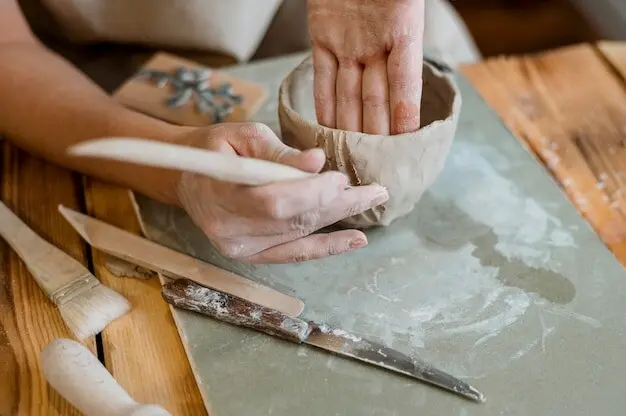
Clay settles patiently in low places, remembering floods and droughts in its plasticity; potters read that memory with fingertips. Nearby, larch, spruce, chestnut, and walnut stand in mixed forests, slow-grown and tight-ringed. Responsible cutting, careful seasoning, and local sawyers’ knowledge create boards and billets that resist warping. Together, earth and timber become hearth vessels, shingles, stools, spoons, and quiet architectural details.

Slow Processes, Lasting Value

Slowness is not delay; it is attention. Processes stretch across weeks or seasons, allowing fibers to relax, planks to dry, slips to settle, and colors to fix. Tools are tuned to the hand, not the clock. When timing follows material truth, durability improves, repairs remain possible, and the final object carries usability, gentleness, and dignity that hurried production cannot counterfeit or maintain for long.

A Shepherd’s Winter

Snow pins paths, yet work continues: mending fences, skirting fleeces, and turning raw wool into rovings by lamplight. The shepherd remembers a grandmother’s advice—spin when thoughts are steady, dye when weather cooperates. Socks for a postman, mitts for a midwife, barter keeps communities woven tight. Each finished piece pays back warmth borrowed from summer grass and sunlit ridgelines.

The Potter’s Kiln Night

Stacked shelves glow like constellations as the chimney draws, and cones bend one by one. The potter trusts a notebook stained with slip, marks cooling curves by moonlight, and listens for faint pings of settling glaze. In the morning, warm bowls emerge, quiet yet radiant, each bearing a fingerprint ridge that says, unmistakably, a human stood here, breathing carefully beside fire.

Design for Use and Repair

Objects earn keep through serviceability and calm aging. Patterns consider wear points, finishes invite maintenance, and parts remain replaceable. Stitching remains visible, screws accessible, lids liftable. When repair is expected, owners notice sooner, intervene earlier, and form relationships with makers. The result is not museum-fragile perfection but a companionable resilience that welcomes scuffs, patches, and heartfelt gratitude for another season together.

Ecology and Responsibility

Using what grows nearby lowers transport footprints and strengthens stewardship. Waste becomes resource: wool skirtings mulch gardens, clay scraps slake and return, offcuts warm kilns or become toy blocks. Finishes avoid toxins, water cycles thoughtfully, and production scales with habitat health. This is practical, not performative—an everyday ethic measured in quiet creeks, bird calls, and resilient rural economies that welcome young apprentices.

Learning, Visiting, Supporting

Ravotelixaridarifari
Privacy Overview

This website uses cookies so that we can provide you with the best user experience possible. Cookie information is stored in your browser and performs functions such as recognising you when you return to our website and helping our team to understand which sections of the website you find most interesting and useful.