Woven Paths Across Peaks and Shores

Today we set out along the Cross-Border Artisan Trails of the Alpine-Adriatic Region, linking Italian, Slovene, Austrian, and Croatian workshops where mountain winds, sea light, and centuries of practice shape wood, lace, steel, stone, salt, and cloth. Expect intimate stories, practical routes, and respectful ways to meet makers whose tools carry memory across passes and ports.

From Karst Stone to Sea Salt

Walk the limestone villages of the Karst where masons carve lintels that resist bora winds, then descend to the Sečovlje salt pans near Piran, where families harvest crystals by sun, wind, and wooden rakes. Both practices depend on patience, weather reading, and community memory, revealing how geology and climate intertwine with work rhythms that ignore passports yet honor place-specific wisdom and tools passed from elder to apprentice.

Passes That Carry Hands’ Memory

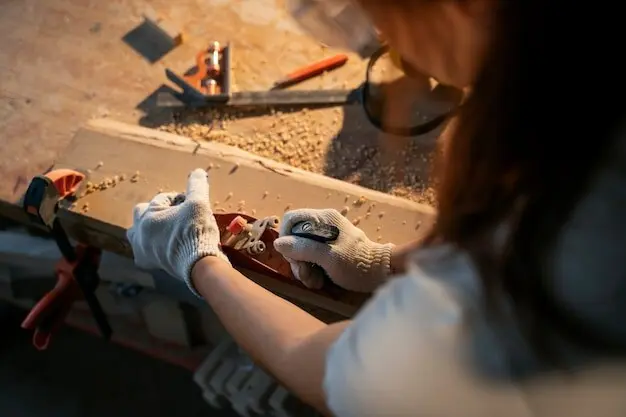
Tarvisio, Predil, and Wurzen Pass once ferried merchants and news; today they carry woodcarvers, felt makers, and barrel coopers swapping techniques at fairs and seasonal residencies. In roadside inns, conversations compare chisels, loden dyes, and drying sheds. A carved angel’s wing from Val Gardena might echo in a Klagenfurt Nativity, while a Slovene charcoal-burner’s knowledge tempers an Austrian blacksmith’s fire, proving routes remember through hands even when maps change.

Border Stations Reimagined

Former checkpoints now host pop-up markets, cross-border exhibitions, and skill-sharing weekends where customs booths shelter bobbins, anvils, and looms. Artists reclaim bureaucratic thresholds as creative commons, inviting cyclists, hikers, and curious families to linger. You stamp your mental passport with stories, tasting herbal syrups or testing knife balance as children look on, and retired officers nod approvingly, watching trade return to conversation, barter, and meaningful exchange instead of paperwork queues.

Heritage You Can Hold

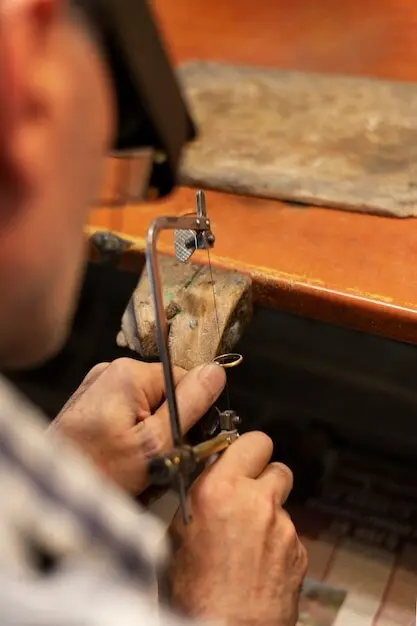
The region’s beauty is tactile: a blade with perfect balance, lace that breathes like frost on glass, mosaic tesserae catching angled light, and woodwork scented with resin. Choosing such objects means choosing their stories—floods survived, teachers remembered, forests managed carefully, and guild rules adapted to modern markets. When you slip a ring onto a finger or pour oil from a hand-thrown jug, you engage with accumulated time, not a disposable trend.

Coastline and Karst Day

Begin in Trieste among coffee roasters and Miramare breezes, then roll along bike paths to Koper, stopping at Sečovlje to witness salt beds changing color with brine density. Visit a stonecutter’s yard on the Carso, tasting Teran and thick-sliced prosciutto beneath drying hams. End at Piran’s waterfront, where evening markets glitter, and makers discuss price, care, and repairs with a generosity born from tides, seasonality, and multi-lingual neighborliness.

Foothills and Vines Day

Cross the walkable square between Gorizia and Nova Gorica, then curve to Goriška Brda for small-cellar tastings that teach soils through glass. Continue to Cividale’s Lombard echoes and onward to Spilimbergo for mosaic demonstrations. Ask about pigments, grout lines, and restoration ethics. Dinner back in Udine might feature frico and Friulano, anchoring memory with flavor while your tote bag shelters tesserae souvenirs wrapped in newspaper like tiny, shining promises from a careful hand.

Passes, Forests, and Fire Day

Ride north through Tarvisio’s forests to Villach’s cheerful markets, then over to Radovljica’s beekeeping museum, where carved lectar gingerbread mirrors woodcarvers’ precision. Meet a blacksmith teaching safe hammer grips to children under watchful guardians. Pause at a loden workshop discussing wool sourcing, mountain grazing, and dye baths. Return through Kranjska Gora’s dusk, pockets carrying beeswax candles whose scent stores alpine meadows, reminding you why practical objects can also keep memories vivid.

Makers’ Voices, Borders of Friendship

Conversations with artisans ground lofty landscapes in everyday courage. Many navigated closures, floods, or supply chain tangles with quiet inventiveness, leaning on neighbors across borders for materials, advice, and moral support. These stories invite us to purchase with empathy, plan revisits, and become long-distance regulars. When you learn a name and understand a scar or callus, your object grows richer, functioning as a kinship token, a compass toward future journeys and thoughtful gifting.

01

Anja’s Bobbins Sound Like Rain

Anja learned lace from her grandmother, who pinned paper patterns to cereal boxes during lean years. Today, she livestreams patient sessions, the clicking bobbins as soothing as rain on tin roofs. She laughs about tangled beginnings and celebrates each apprentice’s first clean corner. Buying her cuffs funds new pillows for students and open-door afternoons where tourists try a few passes, discovering that complexity can unfold from humble knots, persistence, and cheerful, unpretentious instruction.

02

Luca Hears the Anvil Sing

Luca’s grandfather once sharpened scythes for wheat fields; he now makes compact kitchen knives tuned for tomatoes and mountain cheeses. He insists on balance you feel before slicing. After floods soaked his stock, a Slovene carpenter dried handle blanks in a shared kiln, and an Austrian neighbor lent belts. Each sale still comes with a care talk, a handshake, and the suggestion to return for a free tune-up after a season’s honest use.

03

Miran Reads the Wind at Dusk

Miran tends salt fields by moonlight when heat preserves fragile crystals. His jacket smells of brine and sun-baked wood. He explains how wind direction predicts harvest timing better than calendars. When tourists crowd, he guides them softly, protecting delicate beds while teaching respect. Purchasing his slow-formed salt sustains a landscape of birds, reeds, and patient labor, ensuring a child can still learn to draw perfect squares on shining, shallow water every spring.

Travel Light, Buy Right

Ethical travel in maker landscapes means slowing schedules, refusing haggling that undercuts wages, and choosing fewer, better objects with repair paths. Ask about materials, apprenticeship, and time invested; these questions build trust and reveal value. Carry cash for small studios, reusable wraps, and a notebook for measurements and care notes. Consider shipping heavy items cooperatively with friends, consolidating parcels to cut emissions while ensuring each purchase arrives safely with its story carefully documented.

Taste the Landscape Between Studios

Food artisans mirror craft values: careful sourcing, inherited methods, and patient transformation. Along these routes, Tolminc and Gailtaler Almkäse taste of herbs and altitude; Karst prosciutto dries in stone houses; Istrian olive oils glow green-gold; Teran and Rebula wines speak limestone and sun. Pair tastings with visits, asking butchers, cheesemakers, and millers about aging rooms, smoking traditions, and ancient olives. Eating becomes another way your travel supports local knowledge intimately tied to place.

Cheese Cellars and Meadow Paths

High pastures above Tolmin and the Gailtal valley nurture grasses that become nuanced milk, then disciplined wheels turned by practiced hands. In cool cellars, rinds evolve like quiet weather. Makers discuss grazing rotations and salt rubs, inviting you to taste months condensed into slices. Buying a wedge funds alpine hut upkeep, trail signage, and apprenticeships that teach microbial patience as clearly as any university, connecting hikers’ lunches with the stewardship of precious summer meadows.

Stone, Wind, and Teran

Karst cellars breathe through limestone, maturing prosciutto beside bottles of inky Teran whose lively acidity cuts fat like a craftsman’s chisel. Families explain wind channels, sea proximity, and inherited timing for curing. Tastings become small seminars on microclimates and materials, just like studio visits. Taking home vacuum-sealed slices and a bottle carries geological memory to your table, where friends discover why hospitality here is measured in thin slices and genuine, unhurried conversation.

Olive Groves Above Quiet Coves

Istrian hills terrace ancient trees whose twisted trunks record storms and peace treaties alike. Mills hum after harvest, releasing peppery, green aromas. Producers discuss early picking for brightness, sustainable pest control, and decanting rituals. You learn to read labels, store away from heat, and finish soups with a fragrant ribbon. Each tin supports terraces maintained against erosion, ensuring landscapes remain walkable, photogenic, and productive for communities balancing tourism with deeply rooted agricultural calendars.

Plan, Share, Return

This journey thrives on continuity: revisiting studios, bringing friends, and growing conversations beyond a single season. Subscribe, comment, and send route tips so others can meet the same generous people. Leave reviews naming makers accurately and kindly. Photograph processes with permission, crediting hands as carefully as faces. When your object chips or dulls, return for repair, turning slight wear into deeper relationship. Trails strengthen when travelers become neighbors, supporters, and enthusiastic, well-informed messengers.
Ravotelixaridarifari
Privacy Overview

This website uses cookies so that we can provide you with the best user experience possible. Cookie information is stored in your browser and performs functions such as recognising you when you return to our website and helping our team to understand which sections of the website you find most interesting and useful.